
Something That Rots
by Jonathan Carrillo
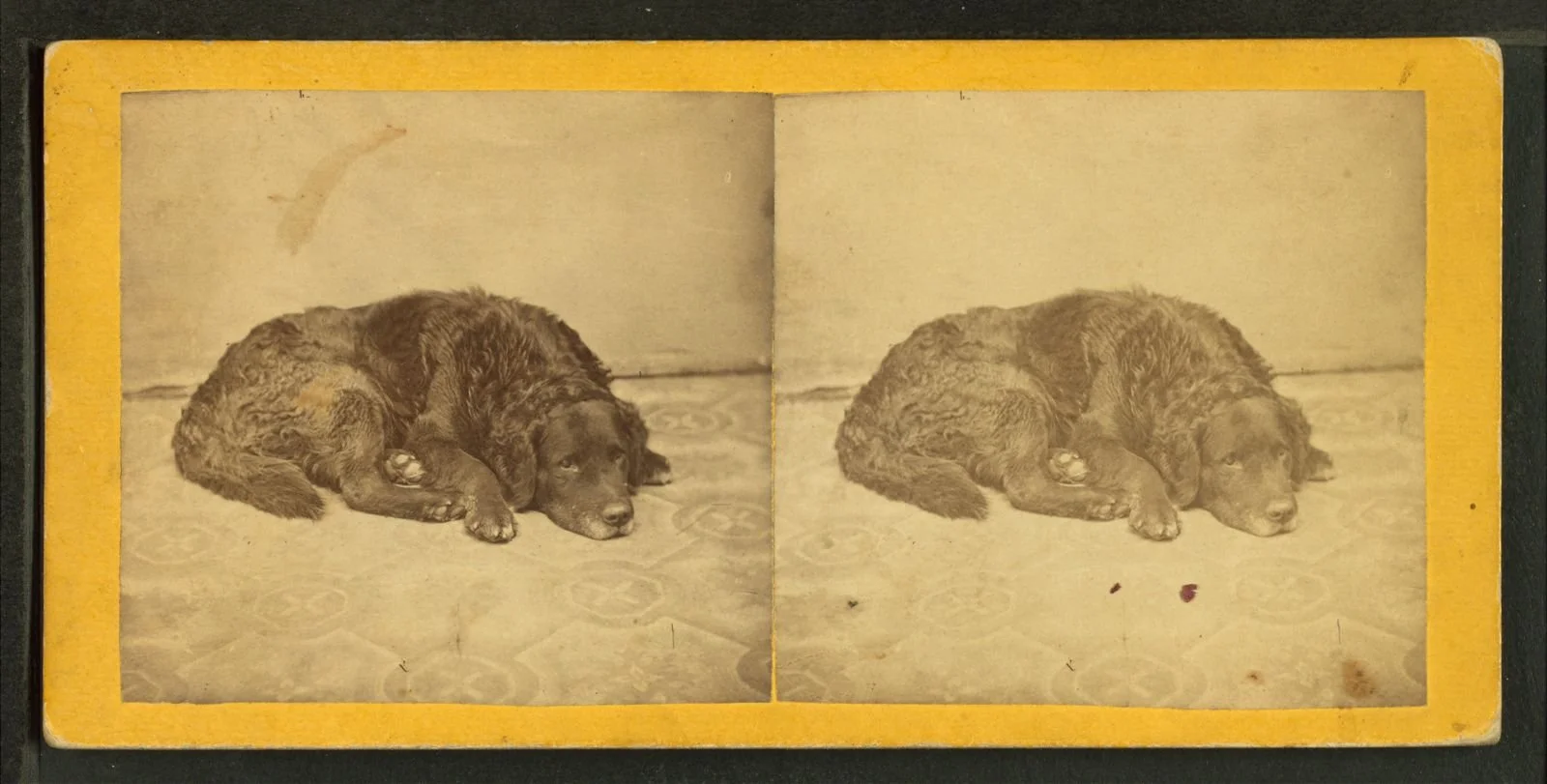
Last year, the neighbor’s dog got hit by a car. Running after a ball, like kids do. When the parents found the body, it was stretched into the shape of a crescent moon, a smear of pink and brown on the pavement. They shoveled it into a black plastic trashbag, using nylon-gloved hands to get the stringier bits then, after dumping buckets of water to wash the stain from the concrete, placed the bag in one of the garbage bins on the curb. In the Summer, those bins heat like ovens, and the stench that came from the body inside was so thick it could nearly walk. I thought the scent would linger on our street forever. It only lingered for a couple weeks.
Around the time the smell finally disappeared, the parents bought the little neighbor girl, Samantha, a new car. They didn’t say because we’re sorry the dog died, but one could assume. It was a 2016 Honda Accord, brand-stinking-new, with a little V6 emblem on the back above the bumper. I watched her parents give it to her through my bedroom window. First, they brought the car home and parked it just a little ways down the street. There was a big red bow strapped across the hood of it, like a Christmas present—but like I said, it was Summer.
They walked her out with a blindfold on. She had her arms stretched out in front of her, all dramatic, so she looked like a zombie—or she would’ve, if it weren’t for her unblemished skin, her lively blonde hair, her two married parents behind her, one on each shoulder. Once they walked her down the driveway, they pointed her in the direction of the car and took the blindfold off. She actually screamed. It pierced through my bedroom window like a needle through the membrane of a balloon. I was sure other people must’ve heard it, too, but nobody came out to do anything. Maybe it was more likely that somebody was screaming over a new car, than for any actual reason, on this street, in this neighborhood, in this town.
She ran to the car before she even gave her parents a hug. That would’ve gotten my ass beat. They didn’t seem to mind, just walked slowly after her, filled with that strange parental bravado you see only when parents give their children something they don’t deserve. Every few steps, they glanced at each other and smirked.
Of course, she crashed it. You think these things last forever, but they so obviously don’t. I didn’t see the crash, but I assume it went something like this: little-neighbor-girl was pulling out of a parking lot when she neglected to register an oncoming car because she had just received a text from one of her friends about that night’s party. She was fine, but the driver of the vehicle that hit her—a forty-five-year-old man, Atharv, who had worked for the last twenty years at the Tyson packing plant—every night for those twenty years he went home smelling like raw chicken—broke his leg, and as a result, was unable to work. When he explained to his boss what happened, over the phone from a hospital bed, his boss was quick to explain the next steps: leave of absence, unpaid. They—his coworkers, unsanctioned by the company—even went so far as to bring a cake—chocolate—to his house. Before bringing it up to the door, they messily scribbled on top with sugary, blue icing, the words: because we thought you might be tired of chicken!
You would’ve thought that little-neighbor-girl died, the way her friends flocked to her bedside. What she was bedridden for, I don’t know—her body was unharmed. They brought her Dove chocolates, iced vanilla lattes, little teddy bears, a copy of The Body Keeps the Score and, hidden at the bottom of their pockets, tablets of oxycontin.
So, Samantha laid in bed and took oxy while I went to work and ignored my father, who sometimes got drunk and called me his little doll, and Atharv laid in bed and wished he could work, while Samantha’s parents got to work on shopping for a new car. The Honda wasn’t totaled, but it wasn’t pretty anymore—and that was enough to warrant its replacement. Because what would people think if they let their daughter out the door in a car like that?
Near the end of the summer, the little-neighbor-girl finally started to leave the house again. I know so because her parents hadn’t bought her another car yet—they wanted something bigger this time, safer for her, more fatal for everyone else—so Samantha’s friends showed up in front of the house in their own cars, blaring music. I would be in bed, fetally positioned, letting the amber sunlight hit me through the window, ignoring my father—who sometimes got drunk and let spit build up in the corners of his mouth and called me his little doll—when suddenly I would hear them approach, announced by the rattling of car panels to a bass-line.
She, Samantha, would hazily stumble out the front door, in some oversized college-logo sweatshirt belonging to one of the many places her parents insisted she’d get accepted to. Her hips would lock to the motion of the music as she danced down the front path, up to the driver’s side, where her friends were, pointing their phones out the window, recording, oohing and aahing. A couple minutes later, I’d watch the video on Instagram, with the words scribbled in vibrant colors overtop of it: my favorite bitch.
One night, mid-September, when the tree-leaves had just barely started to brown, I woke up to the sound of her getting home. More specifically, the sound of her yelling fuck you as she tripped out the passenger side of somebody’s car. After collecting herself, she spat at the driver, then kicked the car door shut. The car sped off. For a while, she stood in the street, swaying and mumbling things to herself I couldn’t hear. I watched, waited. Downstairs, past my locked bedroom door, my father snored in his recliner.
After a while, the little-neighbor-girl stopped mumbling and walked up the path to her front door—but when she got there, stopped again—then began to lurch from heel to toe, as if she was trying to build up the momentum necessary to push through. Heel to toe, heel to toe. Her hands clenched into fists. Crickets chirped. The clock in my bedroom tick-tocked. The seconds dragged on. Heel to toe, heel to toe.
You think these things last forever, but they so obviously don’t.
Listening carefully for any disturbance in my father’s breath, I walked to my bedroom door, unlocked it, and stepped through. I crept through the hall, down the stairs, and into the living room, where my father—who sometimes got drunk and made me his little doll—was predictably asleep in his recliner, his head tipped back, jaw hanging open, his mouth like a cavern. I could’ve dropped something into it, a breath he couldn’t take, something final. Instead, I passed him by and made my way to the laundry room, which connected to the garage, which connected to the driveway, which connected to the street.
By the time I got there, the little-neighbor-girl was gone, swallowed up by the house; she must’ve entered through its mouth while I passed by my father’s.
Alone, listening to the sound of my breath, cars passing in the distance, an electric hum, an absence. At the sole street lamp, a flurry of June bugs threw themselves against the pole, into each other, into the light. Their wings shuddered and retracted at random; they took flight without reason. One would land on its feet, another would land flat on its back, then squeal and convulse until it was upright again. Every year, they came and did this dance, fluttering from one place to the next, begging for the light, until they either left or died. I watched this flurry occur against the backdrop of domesticated yard-trees and dozens of cold, still houses. A lazy breeze rustled the tree’s browning leaves and brought through the smell of something rotten, like the corpse of a dog.
Jonathan Carrillo is an undergraduate student at City College studying music. Originally from Atlanta, Georgia, Jonathan grew up outside of Dallas, Texas and has since lived between New York City and the Bay Area. He is passionate about working with the city’s youth, and has done so in both California and New York. He also enjoys passing time with friends in diners and listening to loud music. Jonathan is planning to graduate in the Fall of 2027 and will pursue a career in music production.